Leaves
Alternate, simple leaves are often glossy and oval, with mostly smooth margins. Leaf shape alone is not enough to distinguish blackgum from similar trees.
Blackgum · Nyssa sylvatica
Stay with what is here. Let an ordinary detail earn your attention.
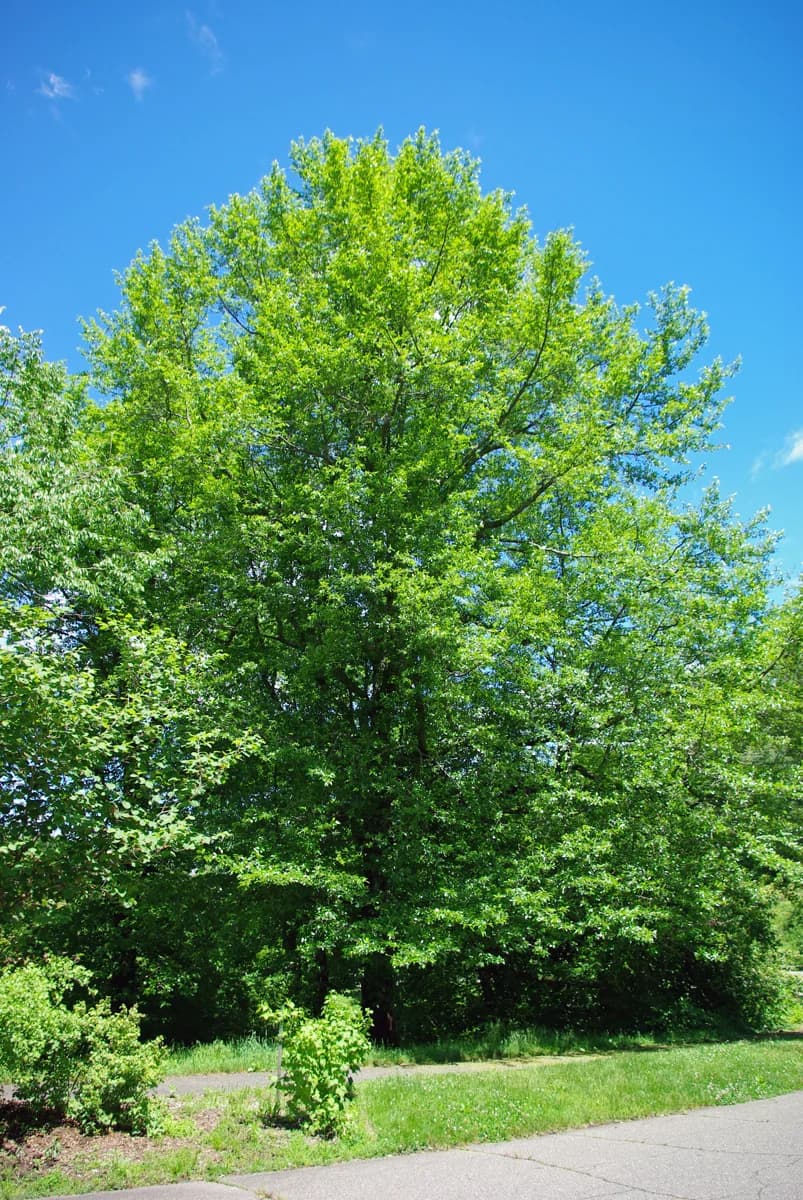
01 · Meet the tree
There is no need to wait for a spectacular tree or a spectacular feeling. Begin with one patch of this tree that you can see clearly. The encounter can be quiet and still be complete.
Alternate, simple leaves are often glossy and oval, with mostly smooth margins. Leaf shape alone is not enough to distinguish blackgum from similar trees.
Older bark can form dark, block-like plates. Small blue-black fruits may occur on fruiting trees. Look for several features together and leave fruit in place.
Also called black tupelo, Nyssa sylvatica occurs in eastern North American forests and planted landscapes. It grows in varied upland and lowland settings; it is a different species from sweetgum.
Compare several features, and notice how age and season change their appearance. These photographs are starting points for observation; leave living leaves, needles, cones, and bark attached.
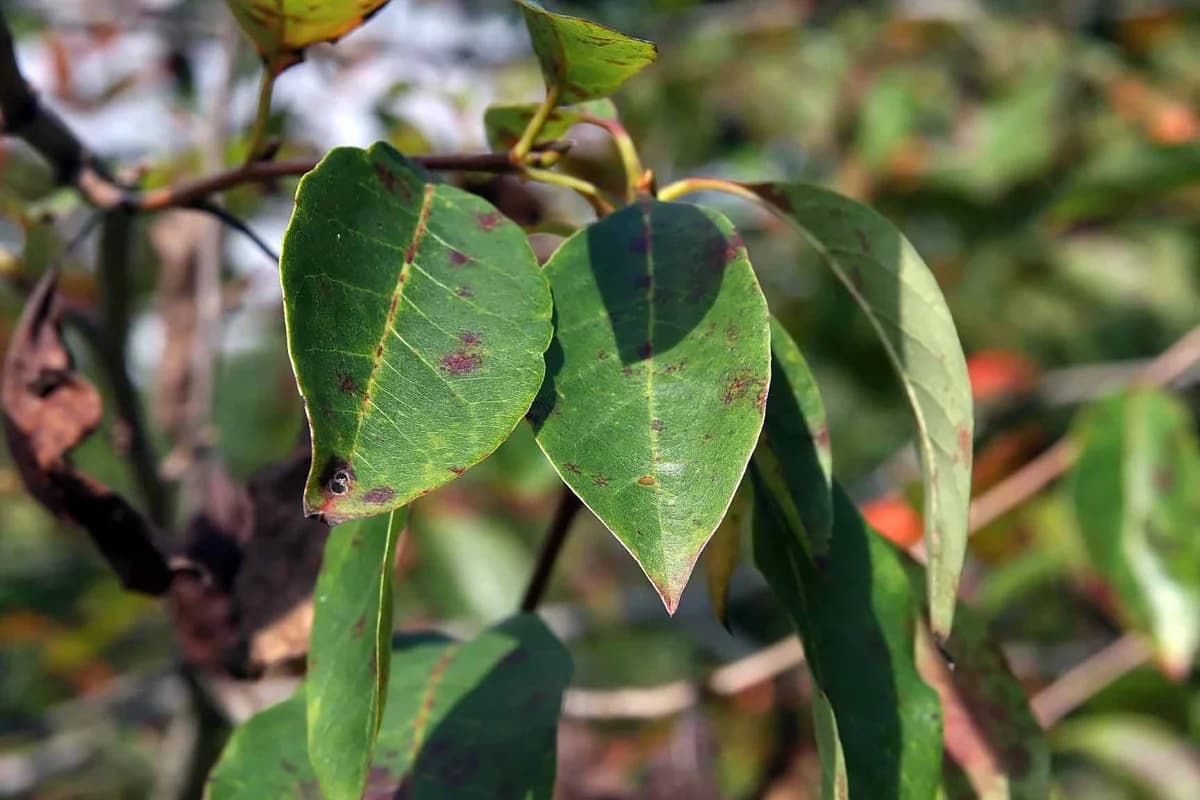
Notice emerging spring foliage, summer leaf shine, and autumn color that can become vivid red. Winter makes branch outlines and bark easier to study. Color depends on the individual tree and conditions.
Botanical reference: NC State Extension’s blackgum profile. This is a starting point for observation, not a complete identification key.
02 · Energy & character
Three qualities to contemplate beside the tree. Begin with what you can observe, then see what meaning emerges for you.
These tree-specific associations are new contemplative interpretations for the digital school. “Energy” here describes felt experience and symbolism; it is not a measured healing field or a promise of a particular effect.
Light falls differently across neighboring leaves or bark surfaces.
Let this actual pattern hold your attention for a moment, without asking it to improve your mood.
What is here before you name how you feel?
Some details become easier to see after you pause.
Allow understanding to take more than one glance. You can return another day without having finished today.
What might benefit from another patient visit?
A familiar-looking leaf still has its own edges, shadows, and position.
Practice giving care to something you would usually pass by. Attention can be specific and modest.
What ordinary thing deserves a little more care?
03 · Practice with this tree · About 5 minutes
A new five-minute practice in unhurried observation, connecting presence with time beside blackgum.
Open outdoor practice →Choose a comfortable seat or stance on stable, permitted ground. Observe from a distance when that works better.
Rest your gaze on a leaf cluster, bark patch, or branch junction. Describe one visible feature to yourself.
Let breathing remain natural. When attention wanders, return and find one detail you did not name before. There is no target number.
Widen your attention and prepare to leave. A few moments of looking count, whether the encounter felt peaceful, restless, or ordinary.
Spend about five minutes, or less if that suits you. Keep your device available when needed. No touching, collecting, controlled breathing, or tree-supported movement is required; leave the tree and its surroundings undisturbed.
04 · Roots in the book
The book teaches attention and learning from trees. This page adds a species-specific encounter; it does not claim that the original book assigned these three energies to blackgum.
Chapter 3 introduces three pathways and choosing an appropriate setting.
Read the chapter companionOriginal: printed pp. 13–17Chapter 4 encourages a sustainable beginning with five or ten minutes.
Read the chapter companionOriginal: printed p. 28Presence, perseverance, and acceptance connect this new practice with Chapter 6’s invitations to learn from trees.
Explore Wisdom and WonderOriginal: Chapter 6, printed pp. 96–12405 · Notice for yourself
Reflect quietly or write a sentence in your own notebook. On another visit, look at the same detail again. Your experience may fit these themes, suggest something different, or simply be a few minutes of looking.