Foliage
Northern white-cedar has scale-like foliage arranged in flattened sprays. It is also called American arborvitae.
Northern white-cedar · Thuja occidentalis
Notice what supports a life. Reflect on belonging through the care you receive and offer.
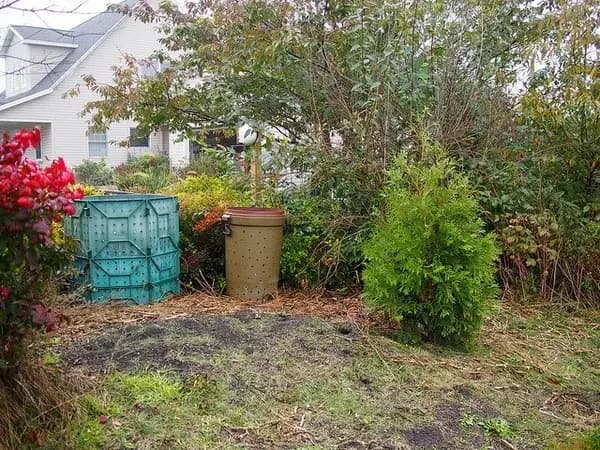
01 · Meet the tree
Notice what supports a life. Reflect on belonging through the care you receive and offer. Begin with this individual tree: its form, its setting, and what you can observe today. Let the encounter come before the meaning.
Northern white-cedar has scale-like foliage arranged in flattened sprays. It is also called American arborvitae.
Despite its common name, this species belongs to Thuja in the cypress family. It is distinct from true cedars in Cedrus and from eastern redcedar.
Native to eastern and central Canada and parts of the northern United States, this evergreen often grows in moist settings. Garden forms can look different from wild trees.
Compare several features, and notice how age and season change their appearance. These photographs are starting points for observation; leave living leaves, needles, cones, and bark attached.
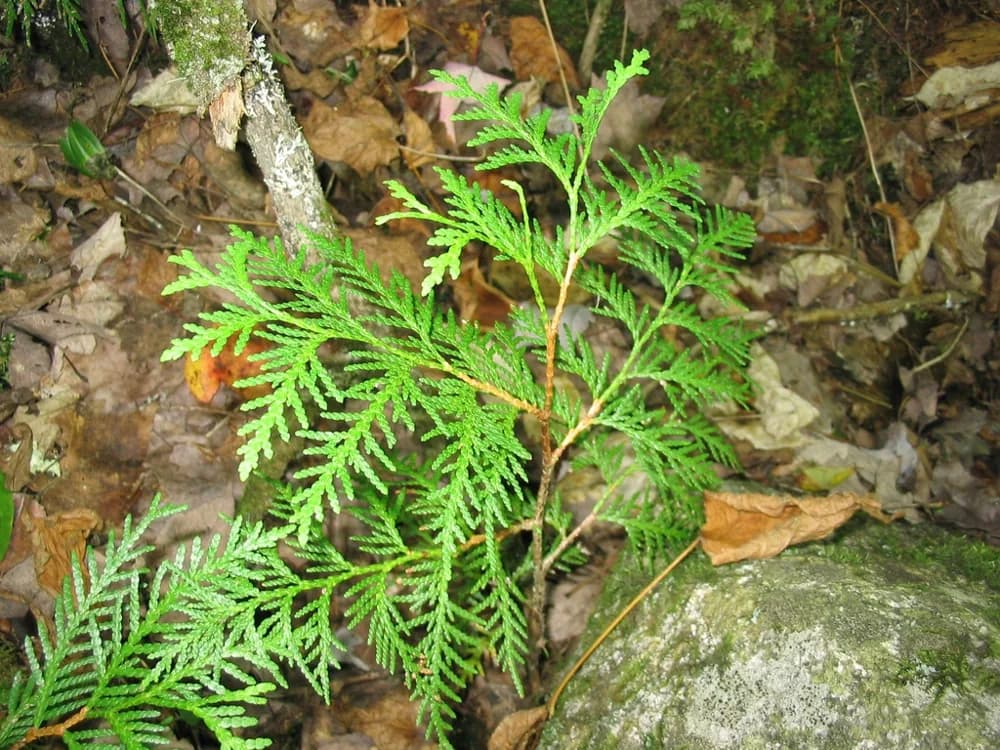
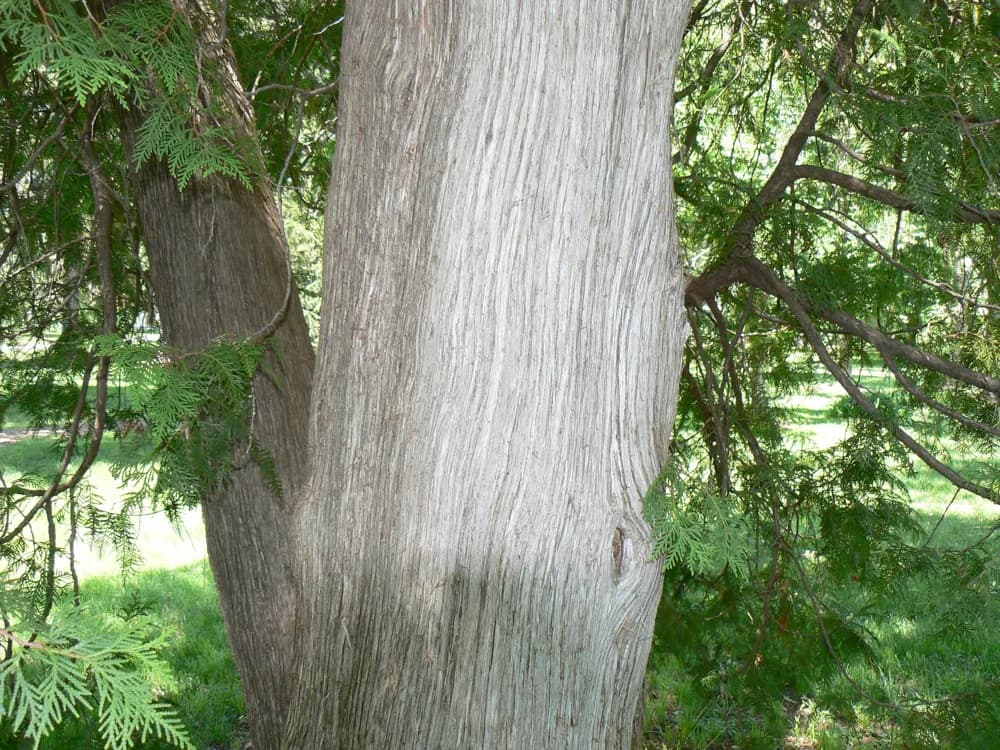
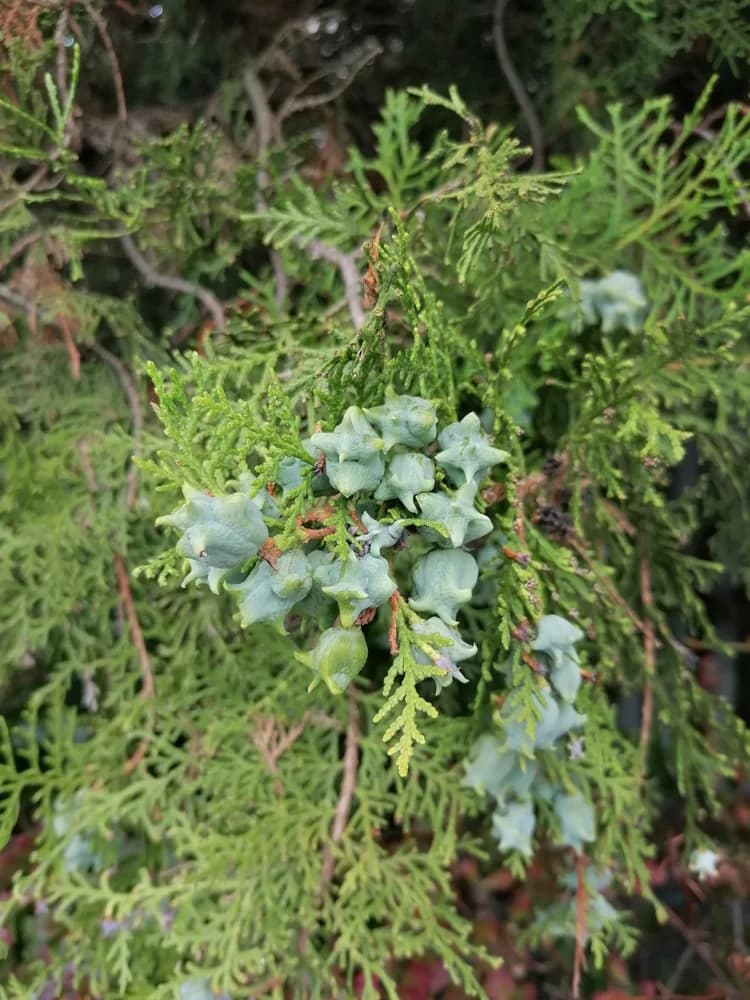
Watch new sprays develop and notice changing greens and winter tones. Evergreen life continues through change; individual foliage is not permanent. Observe the tree in the conditions of its own place.
Botanical reference: NC State Extension’s northern white-cedar profile. This is a starting point for observation, not a complete identification key.
02 · Energy & character
Three qualities to contemplate beside the tree. Begin with what you can observe, then see what meaning emerges for you.
These tree-specific associations are new contemplative interpretations for the digital school. “Energy” here describes felt experience and symbolism; it is not a measured healing field or a promise of a particular effect.
Green sprays remain visible across seasons.
Think about a thread of care that continues through changes in your life.
What care has lasted?
A tree grows in relationship with soil, light, moisture, and neighboring life.
Let belonging be a relationship you participate in, rather than something you must prove.
Where do you feel supported?
Foliage and branches form a living structure around the trunk.
Consider one ordinary act that tends a relationship or a place. Care can begin with leaving the living tree undisturbed.
What can you tend today?
03 · Practice with this tree · About 5 minutes
A new observation practice exploring continuity, belonging, care beside northern white-cedar. Read once, then spend a few minutes with the tree.
Open outdoor practice →Find a comfortable view of its foliage or form. Notice whether it is a garden planting or part of a wider landscape.
Look at light, ground, and neighboring life without leaving the path. Name one visible condition supporting this tree.
Reflect on a person, place, or daily habit that supports you. Let appreciation arise if it does; no feeling is required.
Choose a modest way to care for a relationship or permitted place today. It may be as simple as paying attention.
Spend about five minutes, or less if that suits you. Keep your device available when needed. No touching, collecting, controlled breathing, or tree-supported movement is required; leave the tree and its surroundings undisturbed.
04 · Roots in the book
The book teaches attention and learning from trees. This page adds a species-specific encounter; it does not claim that the original book assigned these three energies to cedar.
Chapter 3 introduces three pathways and choosing an appropriate setting.
Read the chapter companionOriginal: printed pp. 13–17Chapter 4 encourages a sustainable beginning with five or ten minutes.
Read the chapter companionOriginal: printed p. 28Unconditional love, acceptance, and perseverance connect this new practice with Chapter 6’s invitations to learn from trees.
Explore Wisdom and WonderOriginal: Chapter 6, printed pp. 96–12405 · Notice for yourself
Reflect quietly or write a sentence in your own notebook. On another visit, look at the same detail again. Your experience may fit these themes, suggest something different, or simply be a few minutes of looking.